
Welcome back to Wimpy! Thanks for the response and messages to last week’s status symbols story. For more, here’s our interview with Auralee’s Ryota Iwai, a look at the Honest Menswear movement, and what to know about Japanese fashion in 2026.
Today’s edition is a bit of a longer one. Over the past few years, alongside the rise of independent brands, a certain cohort of menswear buyers have become increasingly influential. Indeed, they’re a big part of why independent brands are so popular in the first place. I’d found myself getting more and more curious. Who are these people? What do they look for in the brands they buy? And how do they handle the competition? All that and more below!
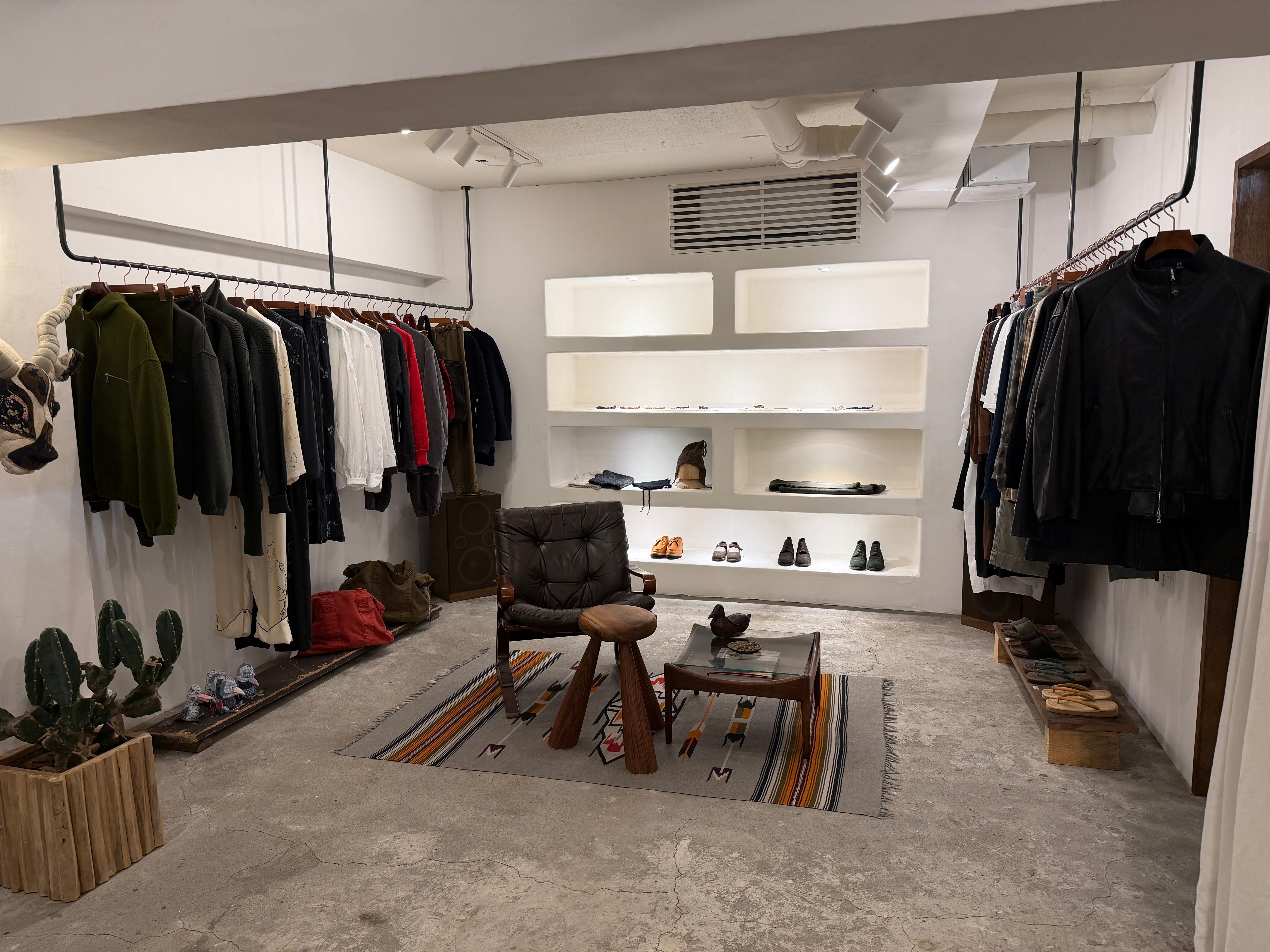
Jimbocho is the Tokyo neighbourhood most famous for its secondhand bookstores, but it’s also home to a new outpost of Maidens Shop, one of the most beloved multi-brand stores in menswear. What director Shinya Makino decides to put on the racks in Maidens can create ripples throughout the industry; if the buyer picks up a brand, you can bet others will be rushing to follow.
“Everyone is watching Mr. Makino,” says Taka Ohashi, who runs TOD, a Tokyo-based sales agency. “Not just in North America but in Europe too.”
Maidens Shop is just one of a handful of so-called ‘S-tier’ independent retailers that now set the agenda in menswear. Buyers are not traditionally the most visible people in fashion, but lately, as independent brands have become on the rise, they’ve been getting more and more attention.
Christopher Green, the founder of Ven. Space in New York, was recently profiled in The Business of Fashion, and earlier this year Highsnobiety called Neighbour in Vancouver “The Most Important Store in Menswear”. Whether Mouki Mou in London, C’H’C’M’ in New York or Nitty Gritty in Stockholm, these stores are not new (some are actually pretty old), but their cultural influence has spiked.
The power once held by the department stores and e-comm giants has waned in favour of these smaller multi-brand stores, which offer both more stability and, increasingly, more clout. Elusive and hard to impress, the buyers that curate these stores are menswear’s kingmakers of the moment—the people that get hearts beating and brows sweating when they book a showroom appointment.
“These shops are the tastemakers,” says Thomas Hibbert, head of communications for Sine & Cosine, an Amsterdam-based shoemaker that counts Neighbour and Tokyo’s 1LDK among its stockists. “They’re the ones that are bending the fashion zeitgeist into a certain direction and they have a keen eye for what’s coming next.” The optics of being in one of these stores can jumpstart a designer’s career. Getting picked up by a store like Ven. Space or Neighbour in 2026 is the equivalent of getting a royal warrant in the 1950s: a stamp of approval that tells you that a brand is worth something.
To support Wimpy’s in-depth reporting, consider upgrading your subscription. Paid subscribers get full access to stories like this, shop guides you won’t read anywhere else, commentary on the culture of menswear, and much more.
When Sine & Cosine’s sleek leather derbies and mules were picked up by Neighbour, other doors began to open. “Being in stores like that offers so much credibility,” says Thomas. “People that we’d been emailing suddenly started replying to us.” Would a huge household-name retailer have had the same effect? It seems unlikely.

BUYING POWER
With so much riding on these buyers, I was curious to know how they themselves felt about it all. I called up Saager Dilawri, the founder of Neighbour, to ask him if he’s witnessed a shift in his own influence in the past few years. Was it what he expected when he founded the store in 2011? “It’s totally different. I still have imposter syndrome about it,” he says.